The Hidden Pain of Emotional Neglect and Its Toll on Women

Abuse isn’t always loud. Sometimes, it’s wrapped in silence—stonewalling, denial, and emotional distance that can leave a woman feeling invisible, unloved, and unsafe.
This has been my reality in a relationship that mirrors the same wounds I experienced growing up.
I internalized the anger and sadness of parents who didn’t know how to express their emotions. I believed their pain was my fault and carried the shame of thinking I wasn’t good enough to be loved.
Now, as an adult, I find myself in a similar dynamic.
When I try to share my feelings with my partner—saying things like, “I feel scared,” or *“I feel lonely”—*I’m met with shutdowns.
He tells me to stop talking, leave him alone, or denies his anger altogether. It feels like the only emotions I’m allowed to have are happiness and excitement, while my pain and needs are dismissed.
What many people don’t understand is how a dynamic like this can push a woman to her breaking point. When silence and stonewalling replace connection, it can feel like suffocating in the face of indifference.
For someone with an anxious attachment style, this triggers intense feelings of rejection and abandonment. Over time, the buildup of unacknowledged pain and unmet needs can result in outbursts.
Women in situations like this may yell, cry, or even act out in ways that look unkind or aggressive. This doesn’t mean they’re villains. It means they’re drowning, desperate for connection and safety that continues to be withheld.
He is doing his own work, and I believe part of him wants to grow. But no matter his efforts or intentions, the reality is this: I don’t feel safe or loved.
For years, I’ve begged for a simple acknowledgment, something like, “I’m angry, but it’s not about you. You’re safe, and I won’t hurt you.” Instead, I’m met with denial and silence, which trigger those same wounds of feeling abandoned and unworthy.
We have sought help from numerous relationship counselors and therapists over the years, but the core issues remain unresolved.
I recognize that it’s not my job to assess his progress or take his inventory. His healing journey is his own, and I hope he finds peace. But I can no longer wait for him to heal on his timeline while I continue to feel unsafe on mine.
This isn’t easy. I feel shame and pain for stepping away from a relationship I’ve been in for most of my adult life. But I have children—two of whom are already adults—and I want to model a different path for them.
I want to show them what it looks like to be compassionate to myself, even in the face of fear and uncertainty.
While this relationship has helped me confront and heal old wounds, I’m ready to step into a life where I can feel safe and loved.
I’ve started working as a private teacher, and each shekel I earn feels like a step toward freedom. I continue to grow through individual and group therapy, and I remind myself that this pain will pass as I learn to love myself in ways I never could before.
Emotional abuse doesn’t always leave visible scars, but its impact is real. If you find yourself in a similar situation, know that you’re not alone. Healing is possible, and your safety and value are worth fighting for.

Man and Woman: How to Live and Love
Leadership and Receptivity: A Torah Foundation for Shalom Bayit Shalom Bayit is not built only on communication skills or shared values. Judaism teaches that peace in the home depends on clear roles, grounded leadership, and willing trust — emotionally, materially, and physically. In Torah language, this structure is called mashpia and mekabel — one who…

Finding My Voice: A Writer’s Journey
By Mindy Morasha Rubenstein I began this journey as a writer before I knew exactly what I was writing about. I was the “lost child” in my family, growing up in chaos, and I didn’t know how to rescue others — but I did know I had a voice. I would later discover that writing…
The Hidden Abuse No One Talks About
I don’t have any bruises or scars, so you’d never know. What actually constitutes emotional or financial abuse can be so subtle. For nearly three decades, I’ve lived in a nearly constant state of confusion, moving between being triggered by emotional abandonment and wondering if I was the one who was crazy. Maybe at times…
Neuroscience, Neshama & the Art of Jewish Healing
Refuat HaNefesh v’HaGuf — Healing the Soul and the Body רְפוּאַת הַנֶּפֶשׁ וְהַגוּף There are days when my body feels like it is carrying all the stories I never told.The exhaustion that lingers even after sleep. The sudden overwhelm that makes me forget what I was doing. The emotions that rise like waves. Living with…
Yom Kippur: Science & Spirit
higher purpose Yom Kippur is called the holiest day of the year. But what does holy really mean? In Hebrew, the word is קֹדֶשׁ (kodesh), from the root קדש which means “set apart.” Something holy is separated from the ordinary so it can be dedicated to a higher purpose. Shabbat is holy because it is…
Many Rooms, One Jewish Woman
“For this mitzvah which I gift you today is not too difficult for you, nor is it far away. It is not in heaven… But the word is very near to you, in your mouth and in your heart, so that you may do it.” (Devarim 30:11–14) The “word” is Torah, truth, and G-d’s light…
Rosh Hashanah Is Not the Real New Year
Here in Eretz Yisrael, as the heavy heat of summer finally eases, you can feel the season shifting. The nights cool, the air softens, and the earth prepares for rain. Grapes and figs have been harvested, the balance of the equinox arrives, and a new moon rises in the autumn sky. This is not the…
Reframing Rosh Hashanah: From Judgment to Renewal
For women in recovery, the language of guilt and judgment is familiar — and often toxic. But real healing doesn’t come from shame. It comes from connecting with a Higher Power and living from our higher self. That’s the essence of recovery, and it can also be the essence of this season if we choose…
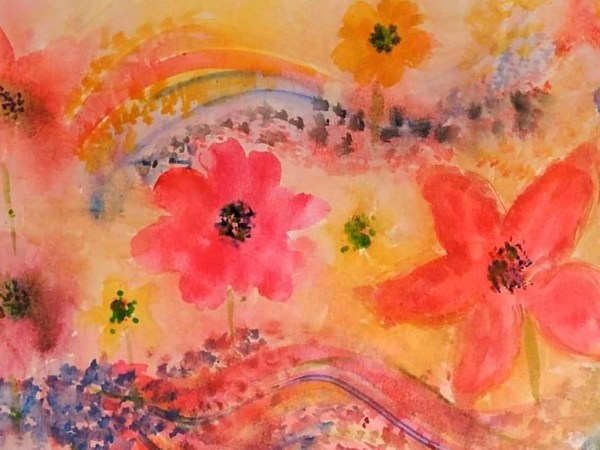
Apples, Honey, and the Feminine Breath of Life
Rosh Hashanah begins with food that is also prayer. We dip apples into honey, we bake round challot, we place pomegranates on the table. These are not just traditions but symbols of what we long for in the year ahead. The word that threads through it all is חיים – Chayim – Life. Why Apples…
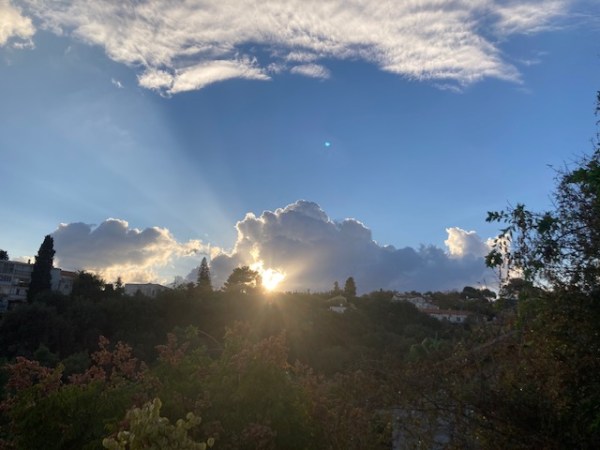
Redemption, Teshuva, and the Month of Elul
By Jessica Savitt Jessica Savitt is a former dietitian and longtime teacher of English, biology, and chemistry. She made aliyah to Haifa from New Jersey by herself in 2021, intending to set up a home in Israel for when the rest of her family would hopefully want to make aliyah. She is currently working as…
Women of Aliyah: A Journey of Support and Connection
By Mindy Rubenstein, M.A. Three years ago, my family and I made Aliyah from Florida. While the journey is full of blessings, there were and continue to be challenges and moments that test our strength. This week, my son began his army service, a milestone that reminded me as a Jewish mom just how deeply…
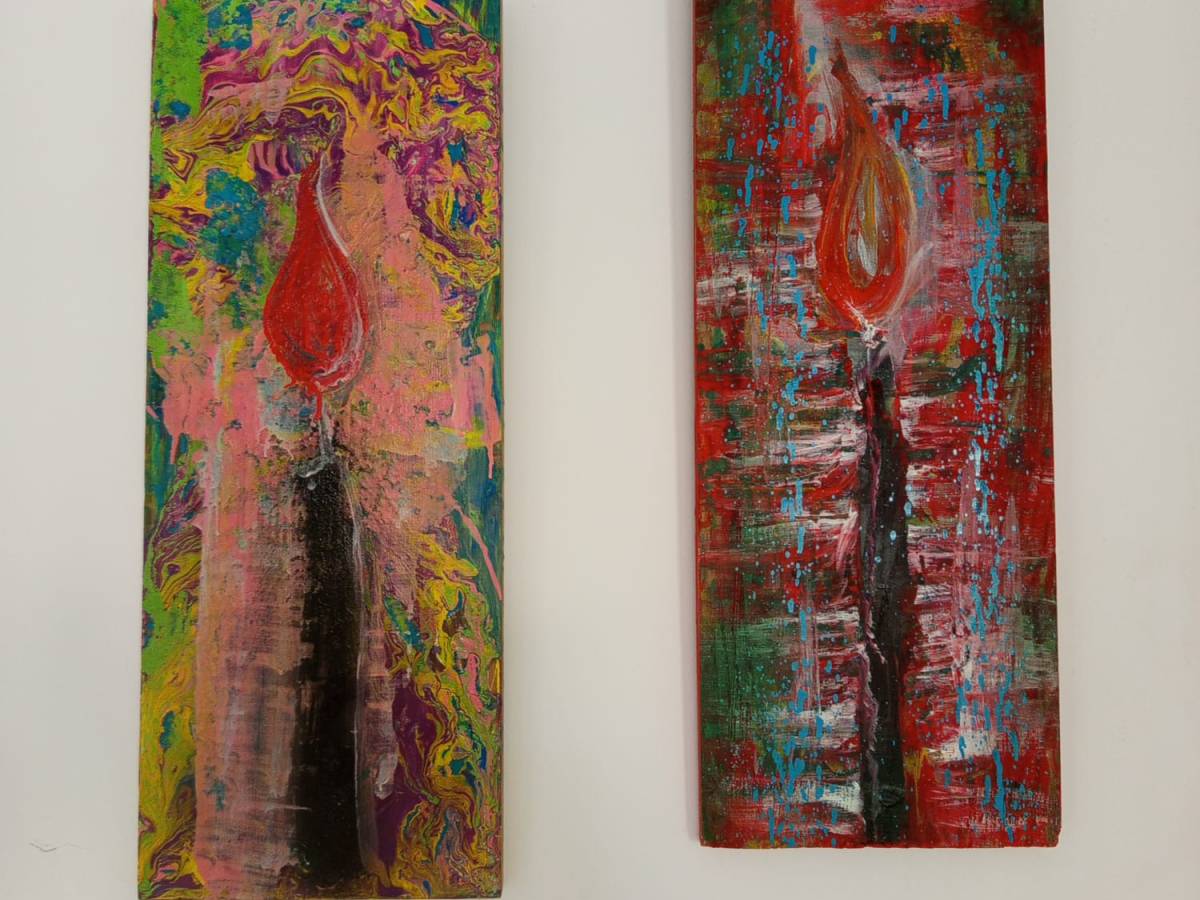
The Fire Between Man and Woman — How to Keep It Holy
In Hebrew, the words for man and woman are full of meaning: אִישׁ (Ish – Man) אִשָּׁה (Ishah – Woman) Both share the letters א (Aleph) and ש (Shin). These two letters form the word אֵשׁ (Esh – Fire). But each has one extra letter: Man has י (Yud) Woman has ה (Hey) Together, י…
 Mindy Morasha