Refuat HaNefesh v’HaGuf — Healing the Soul and the Body
רְפוּאַת הַנֶּפֶשׁ וְהַגוּף
There are days when my body feels like it is carrying all the stories I never told.
The exhaustion that lingers even after sleep. The sudden overwhelm that makes me forget what I was doing. The emotions that rise like waves.
Living with ADHD, CPTSD, and now perimenopause has taught me that healing is not a straight line. It is a conversation between body and soul, moment by moment.
Sometimes the body speaks through anxiety or fatigue. Sometimes the soul whispers through tears or creativity.
And when I finally stop fighting either one, and LISTEN, something begins to soften.
That is Refuat HaNefesh v’HaGuf — the healing of the soul and the body.
The Meaning of Refuat HaNefesh v’HaGuf
In Jewish thought, healing is not just about curing illness or removing pain. It is about returning to wholeness. The nefesh (soul) and guf (body) are partners.
The body carries our experiences, our hormones, our nervous system, and our traumas.
The soul carries our purpose, our longing, our eternal, unconditional connection to Hashem.
True healing, refuah shleimah, comes when both are tended to. The Torah and Kabbalah teach that the body is a vessel (kli) and the soul is the light within it. We need both to shine.
A Parallel: Traditional Chinese Medicine
Traditional Chinese Medicine (TCM) also understands this relationship between body and spirit. It teaches that health comes when qi (life energy) moves freely. When that energy is blocked, symptoms arise — emotional or physical.
In Judaism, the language is different but the essence is similar.
Where TCM speaks of qi, we speak of neshama, the divine breath that animates life.
Where TCM balances yin and yang, we balance nefesh and guf.
Both paths honor the connection between energy, emotion, and faith — and the idea that the body and soul are constantly communicating and connected.
The Creative Path to Healing
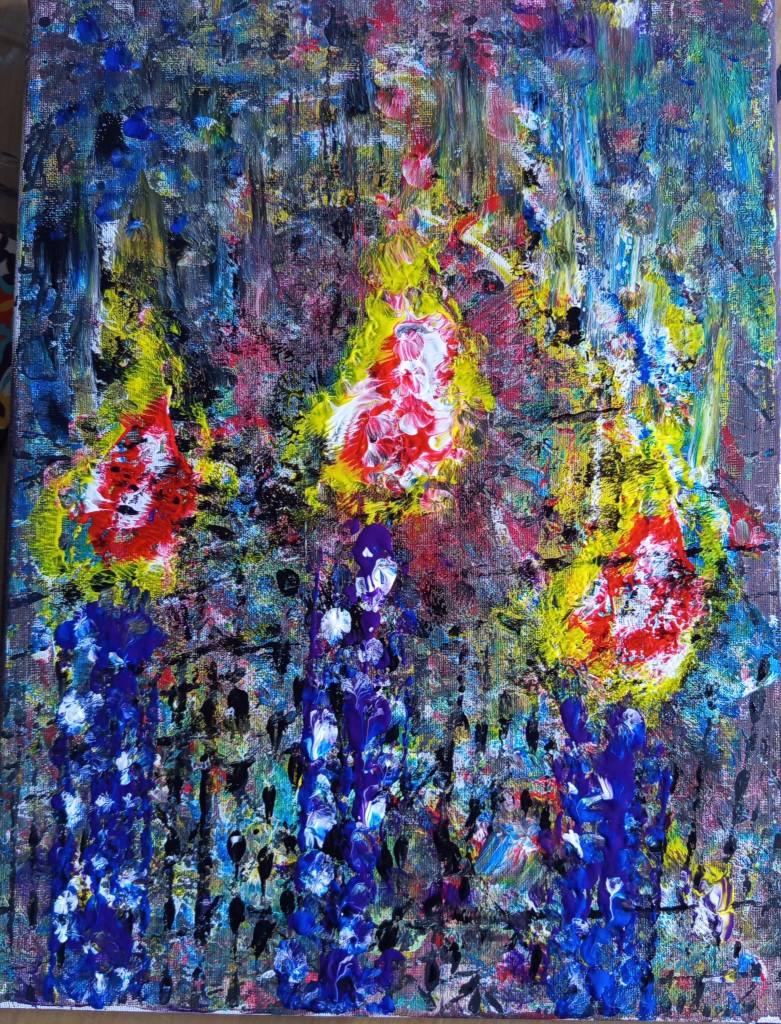
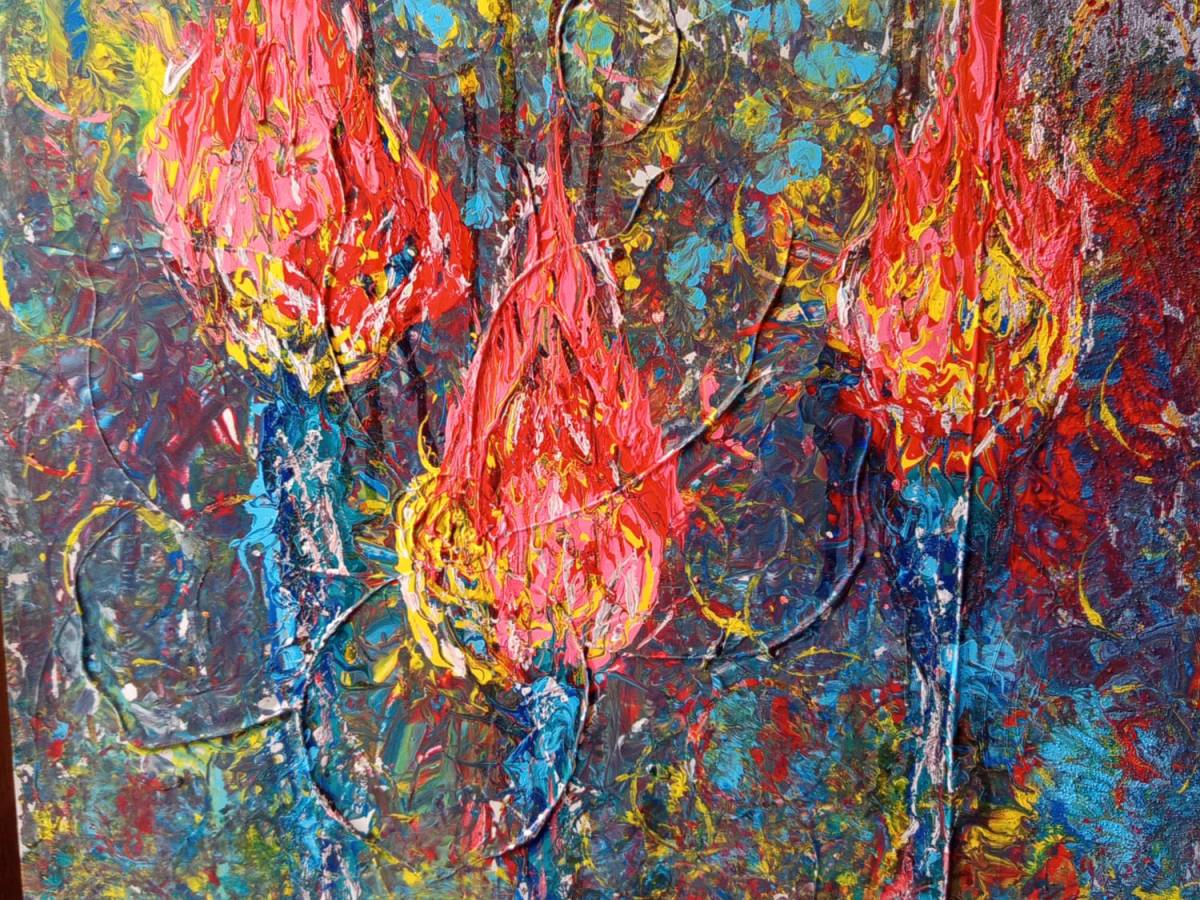
I love to use painting, journaling, and memoir writing as spiritual practices.
When someone with ADHD sits down to paint, the movement and color help her body process what her mind cannot organize.
When someone living with trauma writes her story, she reclaims ownership of it, and the nervous system starts to trust safety again.
When a woman in perimenopause embraces her changing seasons, she honors her body as sacred instead of seeing it as broken.
These acts are not therapy in the clinical sense. They are forms of prayer, of listening. Through them, we allow Hashem’s healing energy to gently move through us.
The Integration
In my work, I see Refuat HaNefesh v’HaGuf unfold in real time.
A woman paints her grief into light.
A teenager finds her voice after years of silence.
A mother writes her truth and discovers her strength.
Healing happens in small, sacred moments when body and soul reconnect — not because we force them to, but because we give them permission.
A Prayer for Healing
Before each creative session, I often pause to say this prayer. It reminds me that healing is not just physical or emotional, but spiritual — a dialogue with the Source of life itself.
מי שברך אבותינו אברהם יצחק ויעקב, אמותינו שרה רבקה רחל ולאה,
הוא יברך וירפא את כל החולים.
הקדוש ברוך הוא ימלא רחמים עליהם,
להחזירם לאיתנם, לרפאם רפואה שלמה,
רְפוּאַת הַנֶּפֶשׁ וְהַגוּף,
בתוך שאר חולי ישראל.
ועתה נאמר, אמן.
May the One who blessed our ancestors,
Abraham, Isaac, and Jacob,
Sarah, Rivka, Rachel, and Leah,
bless and heal all who are ill.
May the Holy One, Blessed be He,
fill them with compassion,
to restore them to health,
to heal them completely —
healing of the soul and healing of the body —
together with all who are among the sick of Israel.
And let us say, Amen.
By Mindy Morasha
Mindy helps women and teens explore healing and meaning through painting, journaling, and memoir writing, weaving spirituality and self-expression into the Jewish path of Refuat HaNefesh v’HaGuf, a holistic balance of body and soul that honors the challenges and wisdom of living with ADHD, trauma, and life transitions such as perimenopause.
Man and Woman: How to Live and Love
Leadership and Receptivity: A Torah Foundation for Shalom Bayit Shalom Bayit is not built only on communication skills or shared values. Judaism teaches that peace in the home depends on clear roles, grounded leadership, and willing trust — emotionally, materially, and physically. In Torah language, this structure is called mashpia and mekabel — one who…
Finding My Voice: A Writer’s Journey
By Mindy Morasha Rubenstein I began this journey as a writer before I knew exactly what I was writing about. I was the “lost child” in my family, growing up in chaos, and I didn’t know how to rescue others — but I did know I had a voice. I would later discover that writing…
The Hidden Abuse No One Talks About
I don’t have any bruises or scars, so you’d never know. What actually constitutes emotional or financial abuse can be so subtle. For nearly three decades, I’ve lived in a nearly constant state of confusion, moving between being triggered by emotional abandonment and wondering if I was the one who was crazy. Maybe at times…
Yom Kippur: Science & Spirit
higher purpose Yom Kippur is called the holiest day of the year. But what does holy really mean? In Hebrew, the word is קֹדֶשׁ (kodesh), from the root קדש which means “set apart.” Something holy is separated from the ordinary so it can be dedicated to a higher purpose. Shabbat is holy because it is…
Many Rooms, One Jewish Woman
“For this mitzvah which I gift you today is not too difficult for you, nor is it far away. It is not in heaven… But the word is very near to you, in your mouth and in your heart, so that you may do it.” (Devarim 30:11–14) The “word” is Torah, truth, and G-d’s light…
Rosh Hashanah Is Not the Real New Year
Here in Eretz Yisrael, as the heavy heat of summer finally eases, you can feel the season shifting. The nights cool, the air softens, and the earth prepares for rain. Grapes and figs have been harvested, the balance of the equinox arrives, and a new moon rises in the autumn sky. This is not the…
 Mindy Morasha