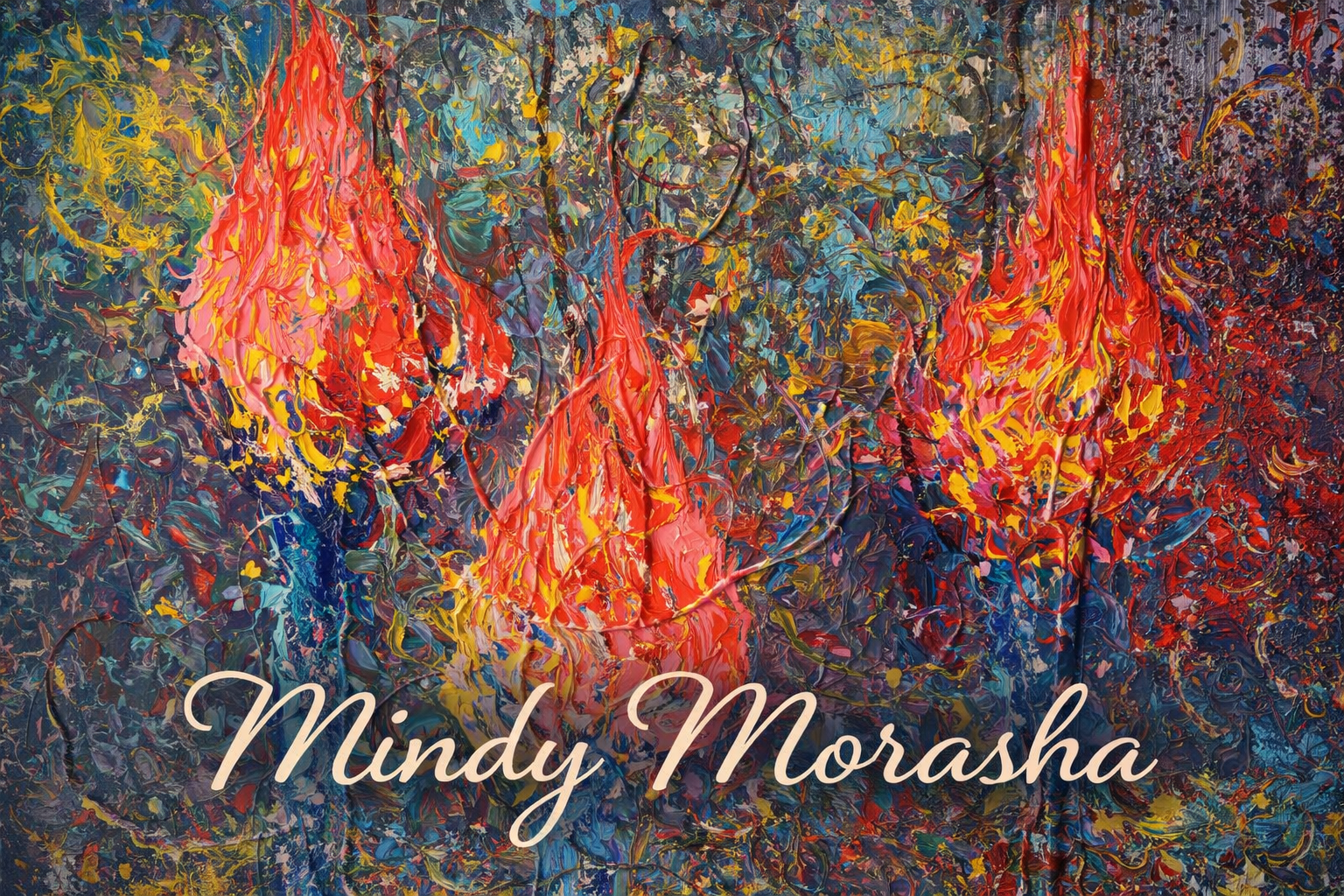
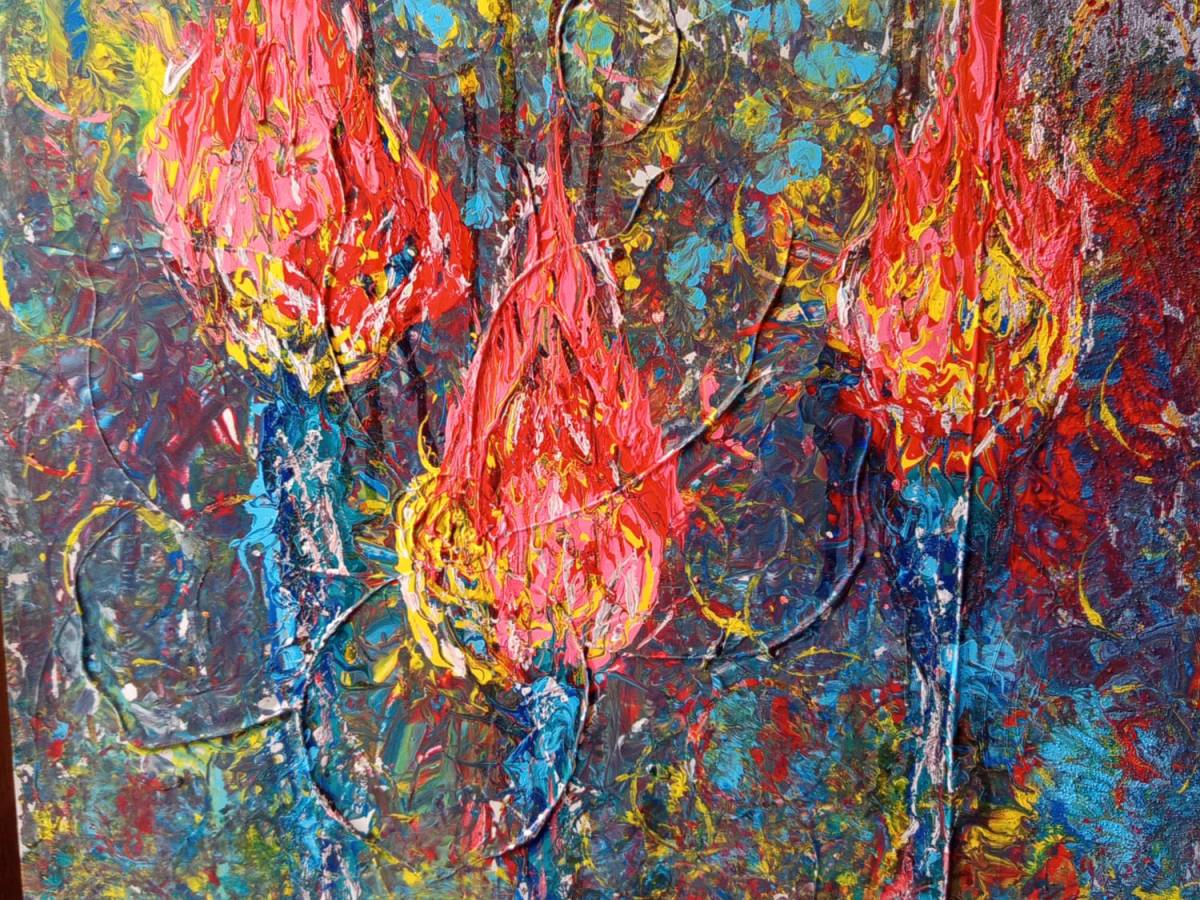
When I first found my way to Yiddishkeit at age 30 through Chabad, my soul lit up.
Truly—it felt like a fire inside me. I wanted to do everything right. Every mitzvah. Every minhag. Every detail. I devoured learning. I soaked in every class, every Shabbos meal, every moment that felt holy. I wanted all of it—so I could give Hashem everything.
But life isn’t static. Over time, that fire changed. It didn’t go out completely, but it lost some of its brilliance.
Making Aliyah with my children remains one of the greatest moments of my life. I’m deeply grateful for the merit to live in Eretz Yisrael.
There’s nothing like walking the land our ancestors dreamed of returning to.
But it can also feel, ironically, “Jewish enough” by default.
Everyone around me is Jewish. There are mezuzot on almost every door. Hebrew (and Arabic) on every street sign.
Shabbat silence in the air. The culture itself is saturated with our heritage. And with that familiarity comes an easy trap: complacency.
It’s easy to forget the mission.
I began to ask myself: Where did my sense of purpose go? Where did the meaning behind the mitzvot go? Where did my relationship with Hashem go?
For me, finding my way back didn’t happen in a shul or at a shiur. It began in the raw work of personal spiritual recovery. My 12-step program has taught me lessons I didn’t know I needed:
- How to admit my powerlessness.
- How to ask for help—real help.
- How to listen for G-d’s voice instead of my own plans.
- How to connect to my Higher Power in a deeply personal, humble, honest way.
- How to comfort and nurture my inner child—the part of me that wants safety, love, meaning.
These lessons cracked something open in me. They showed me I could return to Hashem not as the person who had it all figured out, but as someone willing to be honest about my struggles.
Now, my work is to bridge those spiritual tools with my Jewish practice.
But what does that really mean?
It means remembering that mitzvot aren’t chores to check off a list—they’re moments of connection.
It means asking myself: Am I alive in my Judaism? Or just going through motions?
It means letting myself feel like I’m enough, even on days I feel inadequate or less-than.
It means learning Torah to soften my heart and make me kinder—not to prove how much I know.
It means accepting that Hashem doesn’t want perfection from me. He wants honesty. He wants my heart.
Being a Jew isn’t about living in Israel (though I love this land with all my soul). It isn’t about dressing a certain way or following rules by rote.
It’s about remembering why I’m here.
It’s about choosing, every day, to turn toward Hashem—even when it’s messy, even when I fail.
I think of Step 11 in my recovery program:
“We sought through prayer and meditation to improve our conscious contact with G-d, praying only for knowledge of His will for us and the power to carry that out.”
This step isn’t something separate from my Judaism. It is my Judaism. It’s the heart of it.
This is my work now: to keep showing up. To keep seeking. To keep softening.
To return, again and again.


Man and Woman: How to Live and Love
Leadership and Receptivity: A Torah Foundation for Shalom Bayit Shalom Bayit is not built only on communication skills or shared values. Judaism teaches that peace in the home depends on clear roles, grounded leadership, and willing trust — emotionally, materially, and physically. In Torah language, this structure is called mashpia and mekabel — one who…
Finding My Voice: A Writer’s Journey
By Mindy Morasha Rubenstein I began this journey as a writer before I knew exactly what I was writing about. I was the “lost child” in my family, growing up in chaos, and I didn’t know how to rescue others — but I did know I had a voice. I would later discover that writing…
The Hidden Abuse No One Talks About
I don’t have any bruises or scars, so you’d never know. What actually constitutes emotional or financial abuse can be so subtle. For nearly three decades, I’ve lived in a nearly constant state of confusion, moving between being triggered by emotional abandonment and wondering if I was the one who was crazy. Maybe at times…
 Mindy Morasha