
Ultimately, Thanksgiving is rooted in the Hebrew Bible. The Pilgrims, who celebrated the first Thanksgiving in 1621, saw themselves as a “new Israel,” mirroring the Exodus story of the Israelites who left Egypt in search of freedom and a promised land.
Their journey, similar to the biblical Exodus, was seen as a divine mission to establish a covenant with God in a new land.
The Hebrew word hodu (הוֹדוּ), meaning both “thanks” and “turkey,” adds an intriguing connection—could it have influenced the holiday’s name?
The Pilgrims’ first Thanksgiving celebrated their survival and successful harvest, made possible with the help of Native Americans, who taught them how to farm and survive.
However, over time, the relationship between settlers and Native Americans grew complex and painful. Despite their reliance on biblical teachings, the actions of the settlers during colonization often contradicted the values of justice and compassion that are central to the Bible, leading to broken treaties, violence, and the displacement of Indigenous peoples.
For our family, Thanksgiving carries a special meaning. We spent three generations in America after our great-grandparents fled Jewish persecution in Europe. And before that, our ancestors had been wandering the globe for centuries.

Thank G-d, we have returned to the Land of Israel, where we are meant to be.
While we appreciated our time in America, it is profoundly fulfilling to return to the land of our ancestors.
We have come back to the land promised to us by God in the Torah, as it is written: “To your descendants I have given this land.” (בראשית 15:18). This land is our inheritance, a place where our history, faith, and future are divinely grounded.


Man and Woman: How to Live and Love
Leadership and Receptivity: A Torah Foundation for Shalom Bayit Shalom Bayit is not built only on communication skills or shared values. Judaism teaches that peace in the home depends on clear roles, grounded leadership, and willing trust — emotionally, materially, and physically. In Torah language, this structure is called mashpia and mekabel — one who…

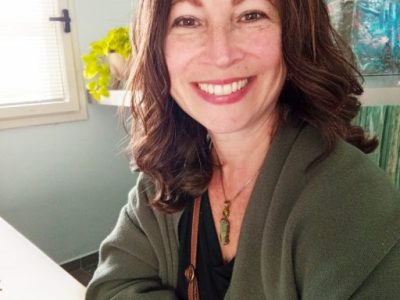
Finding My Voice: A Writer’s Journey
By Mindy Morasha Rubenstein I began this journey as a writer before I knew exactly what I was writing about. I was the “lost child” in my family, growing up in chaos, and I didn’t know how to rescue others — but I did know I had a voice. I would later discover that writing…
The Hidden Abuse No One Talks About
I don’t have any bruises or scars, so you’d never know. What actually constitutes emotional or financial abuse can be so subtle. For nearly three decades, I’ve lived in a nearly constant state of confusion, moving between being triggered by emotional abandonment and wondering if I was the one who was crazy. Maybe at times…
 Mindy Morasha