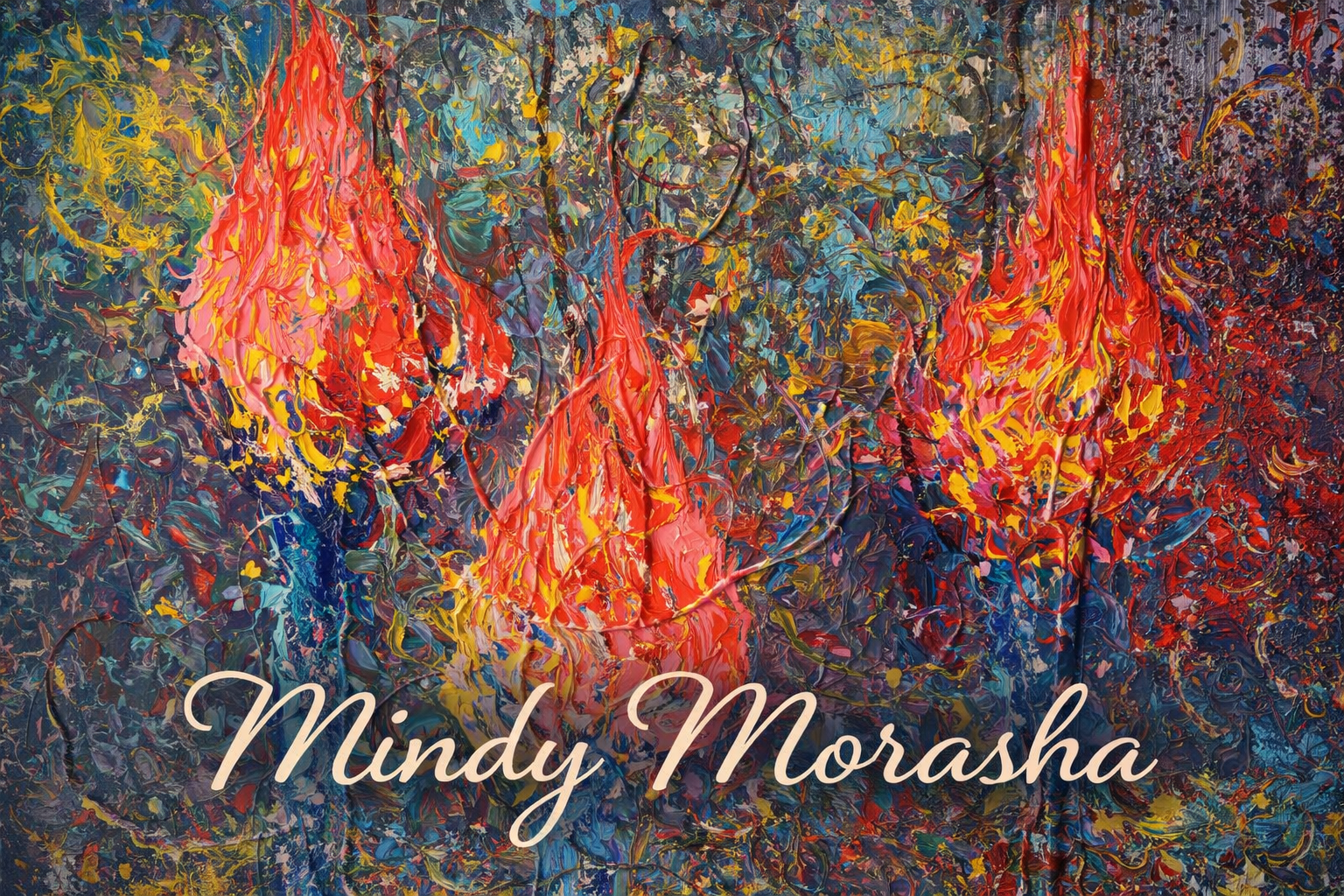
Finding Balance and Light

In Kabbalah, the Jewish mystical tradition, each day of the week has a special kind of energy, connected to how God created the world. Wednesday is an important day because it’s when God made the sun, moon, and stars to bring light and help guide us. But Wednesday can also feel tough sometimes, like when you’re stuck in the middle of the week, not quite at the end but no longer at the beginning.
The sun, moon, and stars represent both light and darkness. Sometimes we feel clear and confident, like everything is going well, and other times we feel confused or lost. In Kabbalah, we believe that these moments of confusion are actually opportunities to look for guidance and find the light in the darkness. As the Zohar, a sacred Kabbalistic text, says:
“God’s light fills the heavens and the spaces between the stars, guiding us through both the day and the night.” (Zohar, Bereshit 91b)
Wednesday is also connected to two important spiritual forces: Netzach (which means endurance or victory) and Hod (which means humility or acceptance). These are like two sides of a coin. Netzach is about pushing forward and being determined, while Hod is about being humble, accepting things as they are, and trusting in the bigger picture. Sometimes, we might feel stuck between these two feelings—do we keep going, or do we step back and trust?
The Zohar teaches us about this balance:
“On the fourth day, the light was set, but so was the balance. The stars guide our path, just as we must balance between moving forward and accepting life as it is.” (Zohar, Bereshit 91b)
So, when Wednesday feels hard or confusing, Kabbalah teaches that it’s a time to find balance. Keep trying, but also stay open to learning from the challenges you face. Just like the stars and moon help light up the night, God is always there, offering guidance and light—even when things seem dark.
Man and Woman: How to Live and Love
Leadership and Receptivity: A Torah Foundation for Shalom Bayit Shalom Bayit is not built only on communication skills or shared values. Judaism teaches that peace in the home depends on clear roles, grounded leadership, and willing trust — emotionally, materially, and physically. In Torah language, this structure is called mashpia and mekabel — one who…


Finding My Voice: A Writer’s Journey
By Mindy Morasha Rubenstein I began this journey as a writer before I knew exactly what I was writing about. I was the “lost child” in my family, growing up in chaos, and I didn’t know how to rescue others — but I did know I had a voice. I would later discover that writing…
The Hidden Abuse No One Talks About
I don’t have any bruises or scars, so you’d never know. What actually constitutes emotional or financial abuse can be so subtle. For nearly three decades, I’ve lived in a nearly constant state of confusion, moving between being triggered by emotional abandonment and wondering if I was the one who was crazy. Maybe at times…
 Mindy Morasha