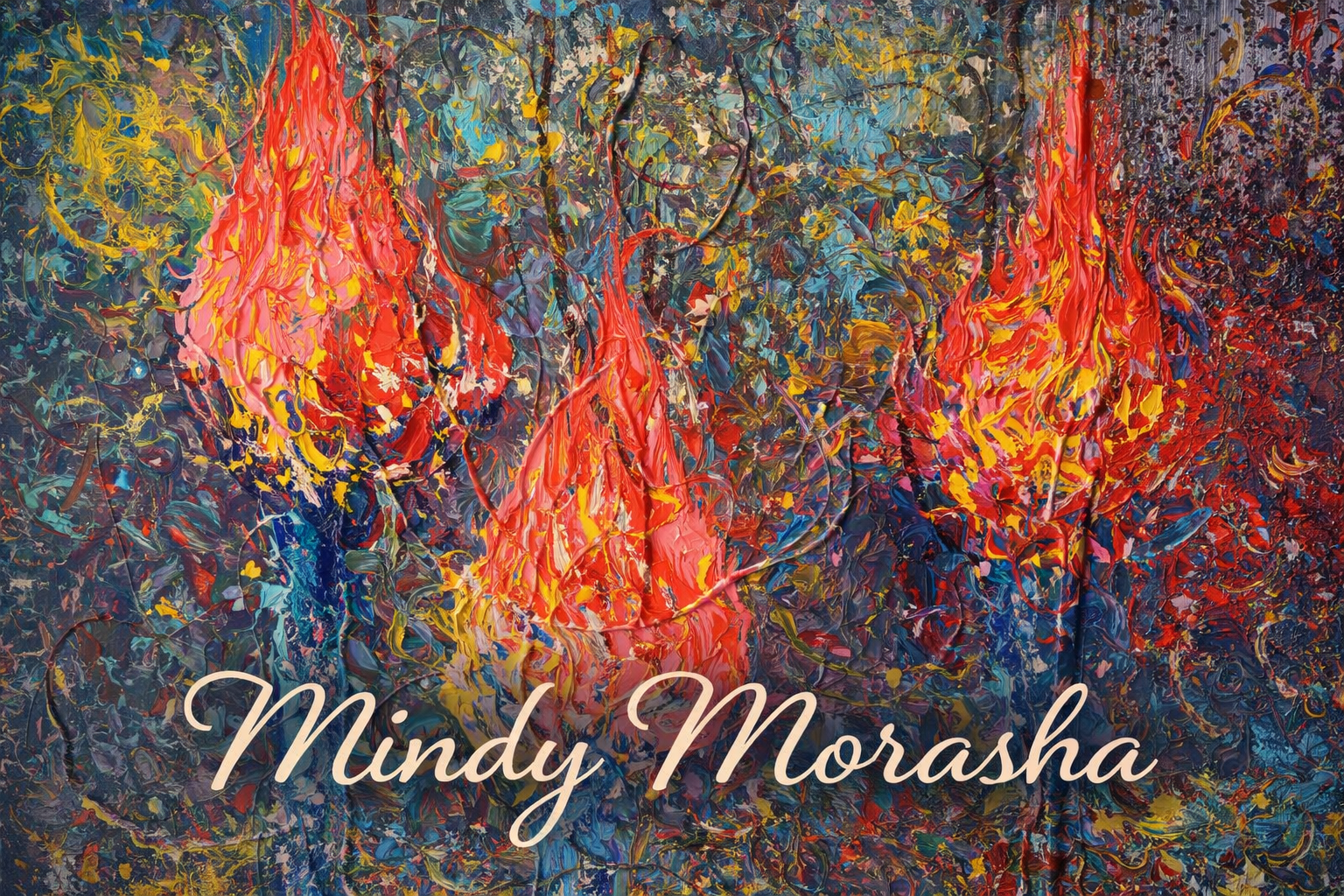

The Torah, the sacred text of the Jewish people, is more than a historical document or a collection of laws and stories. It is a profound source of spiritual and emotional healing, offering guidance on how to live a life of balance, peace, and connection to the Divine.
The Torah’s teachings provide a pathway to healing that encompasses the soul, mind, and body, especially when we consider practices like energy healing, Jewish spiritual practices, and the complex work of addressing intergenerational trauma.
The Torah as a Source of Divine Healing
The Torah is often referred to as a “Tree of Life” (Etz Chaim), a metaphor that beautifully captures its ability to nourish, sustain, and heal. Its teachings are not merely commandments and narratives; they are channels of divine energy that can bring healing to those who engage with them deeply. The mitzvot (commandments) are designed to elevate our souls, align us with our higher purpose, and connect us to the Divine.
For instance, the mitzvah of honoring one’s parents (Kibbud Av Va’Em) is not just about showing respect; it also has deep roots in healing intergenerational trauma. By fulfilling this commandment, we actively participate in healing the wounds of the past and paving the way for future generations to live in peace and harmony.
Practical Wisdom from This Week’s Torah Portion
This week’s Torah portion, Ki Teitzei (Deuteronomy 21:10–25:19), offers profound insights that can be applied to the journey of healing and personal transformation. Here are some key themes from the portion that relate to divine and energy healing:
Ethical Treatment and Compassion
Ki Teitzei contains numerous commandments related to the ethical treatment of others, including the care of those who are vulnerable. For example, the commandment to return a lost object (Deuteronomy 22:1-3) teaches us about the importance of compassion and responsibility. This principle can be extended to our relationships and to the way we treat ourselves—recognizing and reclaiming lost parts of our identity and soul that may have been damaged by trauma.
“You shall not see your brother’s ox or sheep go astray and ignore them; you shall surely bring them back to your brother.” — Deuteronomy 22:1 This verse can be understood metaphorically, encouraging us to not turn a blind eye to the parts of ourselves or others that are lost or broken but to actively engage in the process of healing and restoration.
The Sanctity of Life
Ki Teitzei also emphasizes the sanctity of life, as seen in the commandment to build a parapet (a protective railing) around one’s roof to prevent accidents (Deuteronomy 22:8). This commandment reflects the Torah’s deep concern for the preservation of life and the proactive steps we must take to protect ourselves and others. In the context of healing, it reminds us to create safe environments—physically, emotionally, and spiritually—that support our well-being.
“When you build a new house, you shall make a parapet for your roof, so that you do not bring bloodguilt upon your house if anyone should fall from it.” — Deuteronomy 22:8 Just as we are commanded to build safeguards in our physical spaces, we must also build emotional and spiritual safeguards to prevent harm and promote healing.
Healing Intergenerational Trauma
The Torah’s concern for future generations is evident in Ki Teitzei, where we are commanded to think beyond our immediate actions and consider their impact on those who come after us. This is especially relevant in the context of intergenerational trauma, where the wounds of the past are passed down through the generations. The Torah provides us with the tools to break these cycles of pain through mindfulness, compassion, and adherence to divine principles.
“You shall not plow with an ox and a donkey together. You shall not wear a garment of diverse kinds, of wool and linen together.” — Deuteronomy 22:10-11 These commandments about mixing different species and materials can be seen as a metaphor for the importance of balance and harmony in our lives. By addressing the imbalances and disharmonies in our family histories, we can create a more peaceful and integrated future for ourselves and our descendants.
The Role of Jewish Healing Practices
Jewish healing practices, such as prayer, meditation, and the study of Torah, play a crucial role in the healing process. These practices are not just rituals; they are powerful tools that connect us to divine energy and help us realign with our true selves. The Hebrew word for healing, “refuah,” shares its root with the word for “relief” or “alleviation,” suggesting that healing is about easing the burdens we carry—whether they are physical, emotional, or spiritual.
Incorporating Torah study into daily life can be particularly healing. Engaging with the weekly Torah portion allows us to tap into the specific energies and lessons of that week, providing guidance that is directly relevant to our lives. By immersing ourselves in Torah, we draw down divine energy that has the power to heal and transform us on multiple levels.
Embracing the Healing Power of Torah
The Torah is a wellspring of healing, offering wisdom that touches every aspect of our lives. Whether through the ethical teachings of this week’s portion, the focus on compassion and responsibility, or the broader principles of Jewish healing, the Torah provides us with the tools we need to heal ourselves, our families, and our communities.
As we continue to navigate the complexities of intergenerational trauma and seek ways to heal, let us turn to the Torah for guidance. By embracing its teachings and allowing divine energy to flow through us, we can experience profound healing and transformation, bringing light and peace into our lives and the lives of those around us.
Man and Woman: How to Live and Love
Leadership and Receptivity: A Torah Foundation for Shalom Bayit Shalom Bayit is not built only on communication skills or shared values. Judaism teaches that peace in the home depends on clear roles, grounded leadership, and willing trust — emotionally, materially, and physically. In Torah language, this structure is called mashpia and mekabel — one who…

Finding My Voice: A Writer’s Journey
By Mindy Morasha Rubenstein I began this journey as a writer before I knew exactly what I was writing about. I was the “lost child” in my family, growing up in chaos, and I didn’t know how to rescue others — but I did know I had a voice. I would later discover that writing…
The Hidden Abuse No One Talks About
I don’t have any bruises or scars, so you’d never know. What actually constitutes emotional or financial abuse can be so subtle. For nearly three decades, I’ve lived in a nearly constant state of confusion, moving between being triggered by emotional abandonment and wondering if I was the one who was crazy. Maybe at times…
 Mindy Morasha