
For over 30 years, I’ve navigated the complexities of ADHD and CPTSD. My journey with these issues started long before I began seeking help, but at 17, I took my first step by utilizing free therapy services at the University of Florida.
Since then, I’ve explored everything from CBT and EMDR to acupuncture and somatic energy work.
As a journalist with a master’s degree, hundreds of published articles, and a book, I’ve approached my mental health journey with both curiosity and the skills of observation and sharing, almost as if documenting my own experience.
Group therapy through ACA, which I’ve been involved in for the past four years, has been particularly transformative. Hearing the diverse experiences of others in this program—from CEOs to homeless individuals—has deepened my understanding of our shared humanity and provided insights beyond individual therapy.
Incorporating inner child work through ACA has been transforative. By addressing the needs and traumas of my inner child through compassionate self-parenting and connection to my Higher Power, I’ve healed old wounds and rebuilt my foundation.
As a Jewish woman, my journey is also intertwined with intergenerational trauma. Writing from Israel, I am reminded daily of the ongoing conflict around us, yet I find solace in being physically safe with my family in our home on a mountain in Zichron Yaakov, a town founded in the 1800s but in a land inhabited by Jews for 4,000 years.
Logotherapy, developed by Viktor Frankl, has been central to my healing. Frankl, a Jewish survivor of the Holocaust, created this approach based on his harrowing experiences.
Frankl said, “When we are no longer able to change a situation, we are challenged to change ourselves,” highlighting the power of finding meaning in adversity.
He also noted, “Suffering ceases to be suffering at the moment it finds a meaning,” which underscores the transformative potential of understanding our pain.
The Rebbe of Lubavitch supported logotherapy, praising its ability to turn struggles into strengths.
“There is nothing more liberating than discovering the purpose of your life and living according to it,” the Rebbe said. This perspective resonates deeply with my experience, emphasizing the importance of finding purpose even in the midst of suffering.
Frankl’s philosophy emphasizes that we always have the freedom to choose our attitude and response to our circumstances. This is particularly significant for those dealing with CPTSD, as it fosters resilience and a stable foundation for mental health.
Living amid conflict, as I do in Israel, adds a unique dimension to my healing. Despite the challenges, I find purpose in my personal journey and the broader context of the Jewish mission here on earth.
The Rebbe’s endorsement of logotherapy as a model of therapy that focuses on positivity and strength remains a guiding principle for me.
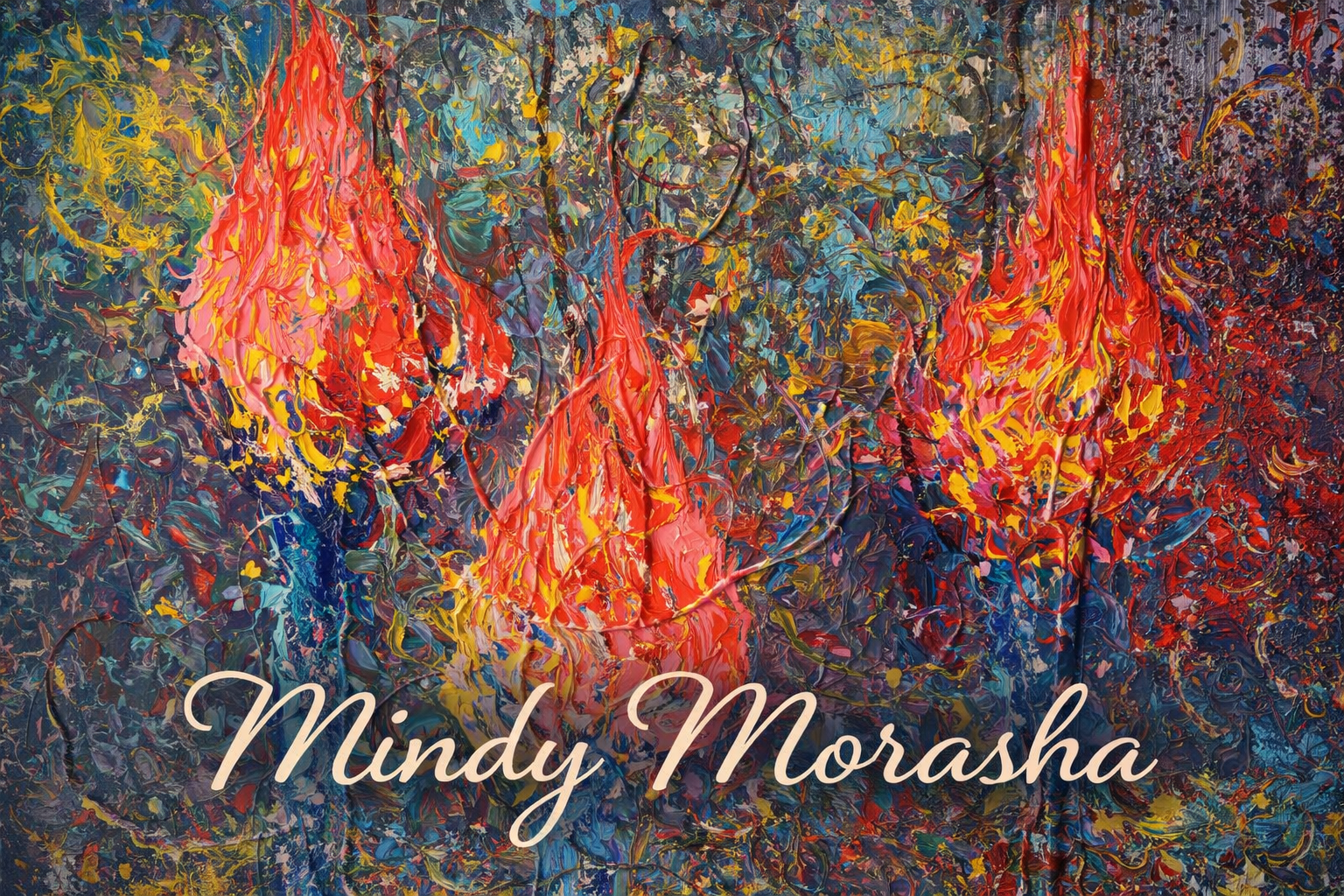
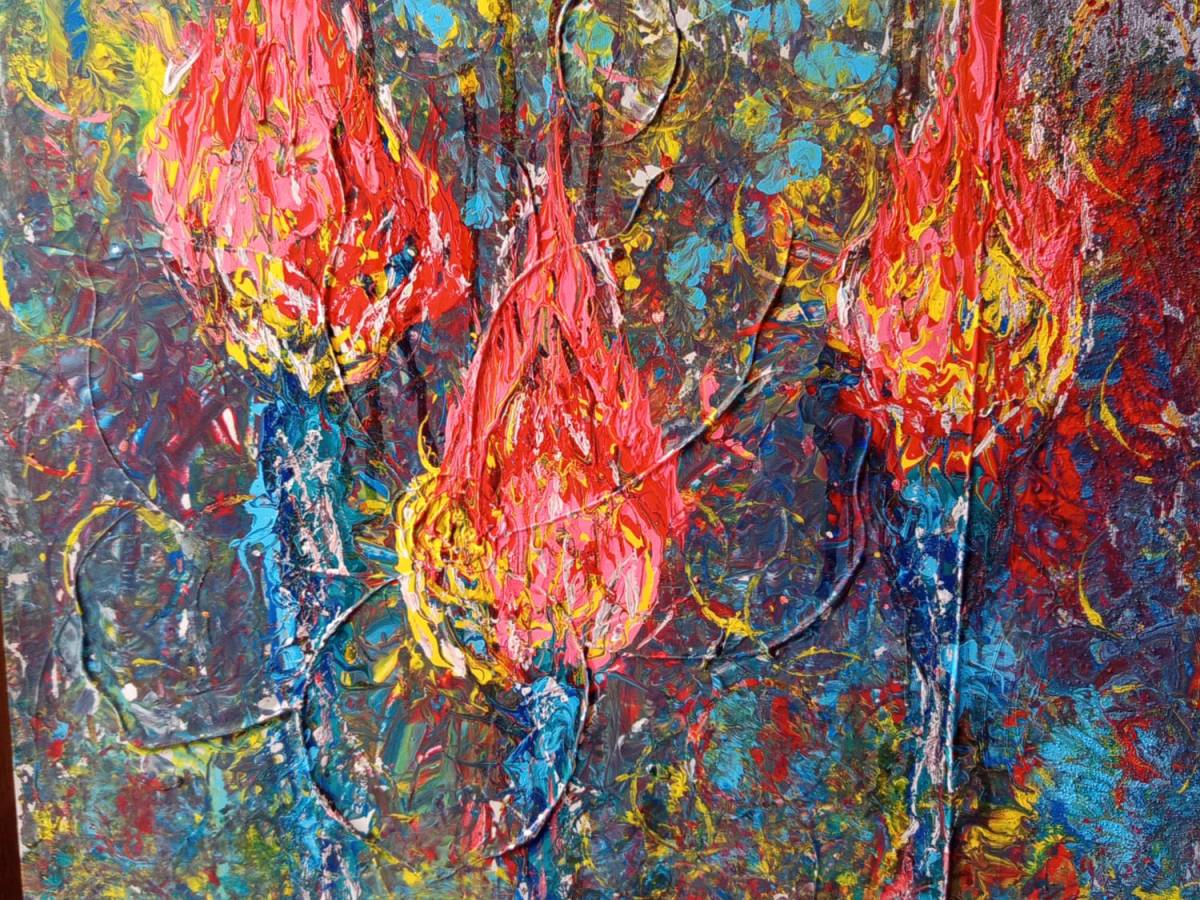
As the Tanach says, “When you walk through the fire, you shall not be burned, and the flame shall not consume you” (Isaiah 43:2).
This timeless wisdom reminds us that even amidst our most intense challenges, we have the strength and resilience to overcome and emerge renewed.
In Frankl’s words, “Between stimulus and response, there is a space. In that space is our power to choose our response. In our response lies our growth and our freedom.”
This concept of managing our responses in overwhelming situations has been pivotal in my healing.
Laozi, an ancient Chinese philosopher and the founder of Taoism, insightfully remarked, “He who conquers others is strong; he who conquers himself is mighty,” further underscores the challenge and strength required to master oneself.
Dialectical Behavior Therapy (DBT) complements logotherapy effectively. DBT’s mindfulness techniques help me stay aware of my experiences and emotions, while its distress tolerance skills enable me to manage crises without worsening the situation. Combined with logotherapy, DBT supports my pursuit of meaningful goals and healthier relationships.
Integrating these therapeutic approaches provides a comprehensive treatment plan that addresses both symptoms and existential concerns of ADHD and CPTSD. This holistic approach continues to guide me toward healing, resilience, and a purposeful life.
My journey is about more than managing symptoms; it’s about transforming struggles into strengths and finding meaning in every moment.
As an entrepreneur and coach, I use my experiences to help others on similar journeys, turning my challenges into tools for guiding others toward their own healing and growth. I hope my story offers insight into how logotherapy and a holistic approach to mental health can provide hope and healing.
G-d’s presence in my journey has been a source of strength and inspiration. The guidance and support from my faith have been instrumental in finding meaning and purpose amid my struggles.
The prophetess Devorah’s words, “March on, my soul, with strength!” (Judges 5:21), resonate deeply with my journey, encouraging me to persevere and grow.
Man and Woman: How to Live and Love
Leadership and Receptivity: A Torah Foundation for Shalom Bayit Shalom Bayit is not built only on communication skills or shared values. Judaism teaches that peace in the home depends on clear roles, grounded leadership, and willing trust — emotionally, materially, and physically. In Torah language, this structure is called mashpia and mekabel — one who…

Finding My Voice: A Writer’s Journey
By Mindy Morasha Rubenstein I began this journey as a writer before I knew exactly what I was writing about. I was the “lost child” in my family, growing up in chaos, and I didn’t know how to rescue others — but I did know I had a voice. I would later discover that writing…
The Hidden Abuse No One Talks About
I don’t have any bruises or scars, so you’d never know. What actually constitutes emotional or financial abuse can be so subtle. For nearly three decades, I’ve lived in a nearly constant state of confusion, moving between being triggered by emotional abandonment and wondering if I was the one who was crazy. Maybe at times…
 Mindy Morasha